




























9 min read
You know that moment when you find a sunscreen that doesn't sting, doesn't pill, and actually feels like nothing on your skin? It's rare. Even rarer when that sunscreen costs under $20 and comes from a pharmacy shelf in Istanbul.

Essential Skincare: From Serums to Sun Protection has a quiet cult following among people with sensitive, reactive skin. But it's not the only option worth your attention. Hamilton, Argan Sun Milk, and Ambre Solaire all bring something different to the table, and the prices will surprise you.
This side-by-side comparison breaks down what matters: texture, filters, white cast, and whether each one holds up on a sweaty After Sun Carenoon. No marketing fluff, just the details you need before you add one to your cart.

What Is Bioderma Sunscreen?
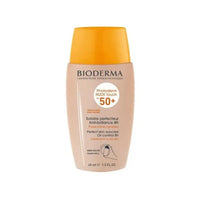
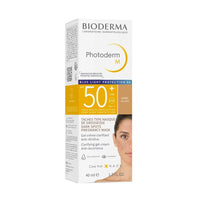
Essential Skincare: Serums, Sunscreens, and Solutions for Healthy Skin is a high-protection, dermatologist-tested suncare line from the French brand Bioderma, widely available in Turkish pharmacies without a prescription. It uses a combination of modern chemical filters to deliver broad-spectrum SPF 50+ coverage, and the formulas are designed to respect even the most finicky skin. A 40ml tube of Photoderm Max SPF 50+ typically sells for around $18 at a pharmacy in Istanbul, compared to $36 for a similar La Roche-Posay Anthelios 50ml tube in the US.
The star of the Bioderma Photoderm Spot Age lineup is the Cellular Bioprotection patent, which aims to protect skin cells from UVA-induced damage beyond just the burn. You won't find that in every drugstore sunscreen.
SPF Basics for Sensitive Skin
SPF numbers tell you how long you can stay in the sun without burning compared to bare skin. SPF 30 blocks about 97% of UVB rays, SPF 50 bumps that to 98%. The real difference for sensitive skin isn't the number, it's the filter system and the base formula.
According to the American Academy of Dermatology, you need a broad-spectrum sunscreen with at least SPF 30 every day, even when it's cloudy. Sensitive skin types often react to fragrance, alcohol, and certain chemical filters like oxybenzone. Mineral sunscreens with zinc oxide or titanium dioxide are gentler, but they can leave a white cast. The trick is finding a formula that balances protection, texture, and tolerance.
The Sunscreen Lineup at a Glance
Here's a quick reference for the four sunscreens we're comparing. All are available through Turkish pharmacy channels, often at prices that feel like a throwback to 2010.
| Sunscreen | SPF | Type | Key Filters | Approx. Price (USD) | White Cast |
|---|---|---|---|---|---|
| Bioderma Photoderm Max | 50+ | Chemical | Tinosorb S, Uvinul A Plus, Octocrylene | $18 (40ml) | None |
| Hamilton Everyday Face | 50+ | Chemical | Uvinul A Plus, Tinosorb S, Octinoxate | $15 (75ml) | None |
| Argan Sun Milk Mineral | 33 | Mineral | Zinc Oxide, Titanium Dioxide | $12 (50ml) | Mild, fades |
| Ambre Solaire Sensitive Advanced | 50+ | Chemical | Mexoryl 400, Mexoryl SX, Tinosorb S | $14 (50ml) | None |

Browse our After Sun Care collection
Recommended Products


Bioderma Photoderm Max SPF 50+
This is the one dermatologists in Turkey hand to patients with rosacea or post-procedure skin. The texture is a thin, milky fluid that spreads in seconds and dries to a satin finish. No fragrance, no alcohol, no essential oils. It relies on Tinosorb S and Uvinul A Plus, two photostable filters that cover the UVA spectrum well without irritating the eyes.
A 40ml tube lasts about three weeks with daily face application. That's the trade-off: the price per ml is higher than the others on this list, but the formula is hard to beat if your skin rejects everything else. It also layers under makeup without pilling, something not all chemical sunscreens can claim.
Hamilton Everyday Face SPF 50+
Hamilton is an Australian brand with a serious sun protection pedigree, and their Everyday Face formula is a hidden gem in Turkish pharmacies. The brand was founded in 1940 and has been formulating for extreme conditions, in a country where skin cancer rates are among the highest globally. You get 75ml for around $15, which is almost double the volume of the Bioderma for less money. The texture is a lightweight cream that disappears into the skin within 20 seconds.
It uses a similar filter combination to Bioderma but adds octinoxate for extra UVB coverage. Some people find octinoxate slightly more likely to cause stinging around the eyes, but the formula is still fragrance-free and non-comedogenic. If you're looking for a daily driver that won't break the bank, this one earns its spot.
Argan Sun Milk Mineral Sunscreen Broad Spectrum SPF 33
This is the only purely mineral option in the group. Argan Sun Milk uses zinc oxide and titanium dioxide to create a physical barrier that reflects UV rays. SPF 33 is the sweet spot: high enough for daily use, low enough that the white cast isn't overwhelming. The formula includes cold-pressed argan oil, which gives it a subtle nutty scent and a moisturizing feel that dry skin types will appreciate.
The white cast is real, but it fades within a few minutes on light to medium skin tones. On deeper skin tones, you might need to work it in more or layer a tinted moisturizer over it. At $12 for 50ml, it's the most affordable mineral sunscreen you'll find with this kind of ingredient list. The pump bottle also makes it travel-friendly and dispenses the right amount without waste.
Ambre Solaire Sensitive Advanced SPF 50+ and Mexoryl 400
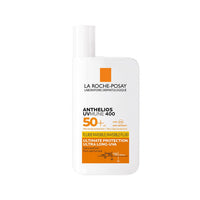
Ambre Solaire is a Garnier brand under the L'Oréal umbrella, and their Sensitive Advanced line contains Mexoryl 400, a filter that has earned some serious scientific attention. This is the same filter found in La Roche-Posay's UVMune 400, but at a fraction of the price.
The texture is a fluid cream that sets quickly with zero white cast. It's also fragrance-free and tested under dermatological control. If you're looking for sunscreens with Mexoryl 400 without the $40 price tag, this is where you start. A 50ml tube costs about $14 in Turkish pharmacies.
How to Layer Sunscreen in Your Routine
Sunscreen is the last step of your morning skincare, applied after moisturizer and before makeup. Use a nickel-sized amount for your face and neck. Don't forget your ears and the back of your hands. If you're using a chemical sunscreen, wait about two minutes for it to form an even film before applying foundation.
This step fits neatly into a simple sensitive skin routine that prioritizes barrier repair and gentle cleansing. The right sunscreen makes the rest of your routine work harder, because UV damage undoes all the good your Darphin Exquisage Serum and Other Darphin Expert Skincare for Anti-Agings and moisturizers are trying to do.
Reapplication: How to Make Your Sunscreen Last All Day
Sunscreen protection degrades after two hours of direct sun exposure, or immediately after swimming or sweating. No matter how good the formula, if you don't reapply, you're unprotected. Here's how to do it right without disrupting your makeup or feeling greasy.
Blot first. Press a tissue gently over shine-prone areas like the T-zone. This removes excess oil so the new layer sits evenly.
Use a quarter-sized amount. For face and neck, you need about a quarter's worth of product. Spread it in a thin, even film; don't just dab it on.
Pat, don't rub (for mineral sunscreens). Mineral formulas like Argan Sun Milk can build up white cast if you rub them in aggressively. Patting with your fingers helps set the layer without disturbing the first one.
Mist or powder as a backup. A sunscreen mist or powder with SPF is convenient over makeup, but a liquid layer provides more reliable coverage. Use it as a midday touch-up, not a replacement for the two-hour reapplication.
Rinse only if needed. Chemical sunscreens can be reapplied directly on clean skin, but if your face feels heavy, a quick splash of water and a light moisturizer first helps the new layer blend better.
Choosing Based on Your Skin Type
Reactive, redness-prone skin: Bioderma Photoderm Nude Touch Max is the safest bet. Its minimalist formula and Cellular Bioprotection patent were built for you.
Oily or combination skin on a budget: Hamilton Everyday Face gives you a matte finish and a massive 75ml tube for under $16. You'll reapply without guilt.
Dry skin that prefers mineral filters: Argan Sun Milk SPF 33 adds a layer of moisture with argan oil while keeping things physical. The mild white cast doubles as a subtle brightening effect.
UVA protection maximalists: Ambre Solaire Sensitive Advanced with Mexoryl 400 covers the spectrum up to 400nm, which is as close to complete UVA coverage as you can get right now.
What to Expect When You Switch from American to Turkish Sunscreens
US sunscreens often rely on older filters like avobenzone and oxybenzone because the FDA has been slow to approve newer ones. Turkish and European sunscreens use modern filters like Tinosorb S, Uvinul A Plus, and Mexoryl 400, which offer better UVA protection and less irritation. The texture difference is noticeable: Turkish pharmacy sunscreens tend to be lighter, more fluid, and less likely to pill.
You'll also pay less. A 50ml tube of advanced chemical sunscreen runs $12 to $18 through Turkish pharmacies, compared to $30 to $40 for a comparable product in the US. If you're used to American sunscreens that sting your eyes or leave a greasy film, switching to these options can feel like a revelation. The formulas are fragrance-free and designed for daily wear, not just beach days.

Frequently Asked Questions
Is Bioderma sunscreen good for sensitive skin?
Yes, Bioderma sunscreen is formulated without fragrance, alcohol, or parabens, and it's tested on sensitive skin under dermatological control. The Photoderm Max line specifically uses filters like Tinosorb S that are less likely to cause stinging or redness. Its Cellular Bioprotection complex also helps protect cells from UVA-induced damage.
What is the difference between Bioderma and Hamilton sunscreen?
Both use similar modern chemical filters, but Hamilton Everyday Face comes in a larger 75ml tube and includes octinoxate for extra UVB protection. Bioderma adds a Cellular Bioprotection complex aimed at preventing cellular damage beyond sunburn, while Hamilton focuses on a lightweight, budget-friendly daily formula. At $15 for 75ml, Hamilton gives you more product for your money.
Does Argan Sun Milk sunscreen leave a white cast?
Argan Sun Milk Mineral SPF 33 leaves a mild white cast that fades within a few minutes on light to medium skin tones. On deeper skin tones, the cast may be more noticeable and requires thorough blending or layering with a tinted product. Patting rather than rubbing helps minimize the cast.
What is Mexoryl 400 and which sunscreens contain it?
Mexoryl 400 is a patented UV filter by L'Oréal that absorbs the longest UVA rays (up to 400nm), a range most sunscreens miss. It's found in La Roche-Posay UVMune 400 and the more affordable Ambre Solaire Sensitive Advanced line, which is available in Turkish pharmacies for around $14.
Is Ambre Solaire sunscreen good for the face?
Ambre Solaire Sensitive Advanced SPF 50+ is designed for the face, with a lightweight fluid texture that doesn't clog pores. It's fragrance-free and tested under dermatological control, making it suitable for sensitive facial skin. The Mexoryl 400 filter adds extra UVA protection that many facial sunscreens lack.
Can I use Turkish sunscreens on acne-prone skin?
Many Turkish pharmacy sunscreens, like Bioderma Photoderm Max Mineral and Hamilton Everyday Face, are non-comedogenic and free of heavy oils. Always check the label for "non-comedogenic" and do a patch test behind your ear for 24 hours before using a new product on your entire face, especially if you're prone to breakouts.
Always consult a dermatologist before trying a new sunscreen, especially if you have a diagnosed skin condition like rosacea or eczema. The products mentioned here are available without a prescription in Turkey, but your individual skin needs may vary.
You May Also Like
Frequently Asked Questions
Is Bioderma sunscreen chemical or mineral?
Bioderma sunscreens use a combination of chemical and mineral filters, depending on the product. The Photoderm Aquafluide, for example, is a chemical sunscreen, while some other lines include mineral options. Always check the label for specific ingredients.
Does Bioderma sunscreen leave a white cast?
Most Bioderma sunscreens, especially the fluid textures, are formulated to absorb quickly without a white cast. However, some mineral-based variants may leave a slight white residue on deeper skin tones. Opt for the tinted versions for a seamless finish.
How does Bioderma sunscreen compare to La Roche-Posay?
Both brands offer excellent protection for sensitive skin. Bioderma focuses on patented cellular protection (Cellular Bioprotection) and lightweight textures, while La Roche-Posay uses Mexoryl filters and often has a matte finish. For very reactive skin, Bioderma's minimalist formulas may be gentler.
Frequently Asked Questions
Are Bioderma sunscreens mineral or chemical?
Bioderma offers both mineral and chemical sunscreens. The Photoderm line includes chemical filters, while their mineral sunscreens use zinc oxide or titanium dioxide.
Which Bioderma sunscreen is best for sensitive skin?
For extremely sensitive skin, Bioderma Photoderm Max SPF 50+ is a top choice as it’s fragrance-free, hypoallergenic, and provides broad-spectrum protection without irritation.
Does Bioderma sunscreen cause breakouts?
Bioderma sunscreens are non-comedogenic and tested for acne-prone skin. The Photoderm Nude Touch and Aquafluide are lightweight and less likely to clog pores.

