





























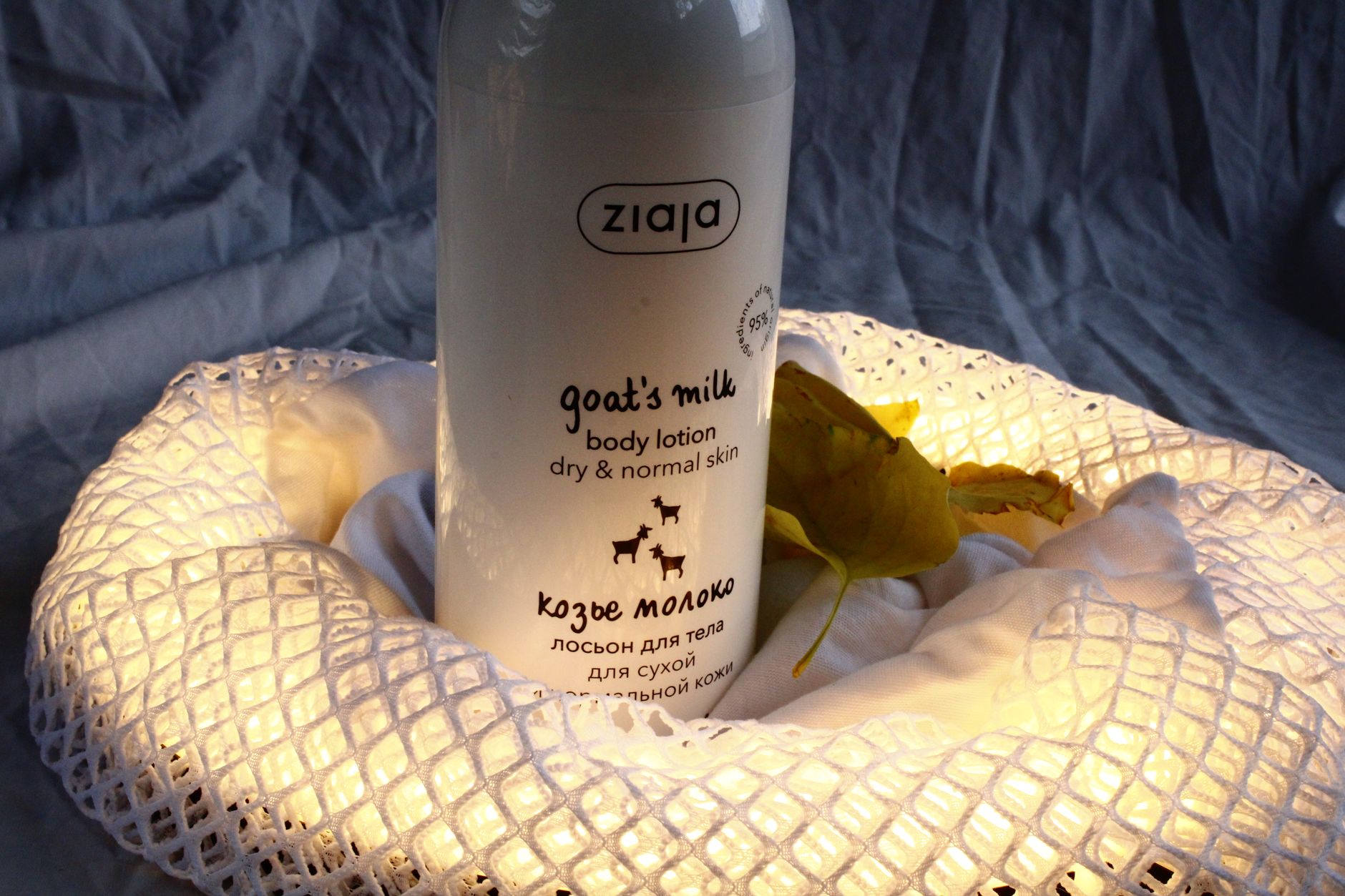
Photo: Tomris🇹🇷 / Pexels
Dry skin occurs when your skin loses water too quickly or lacks the necessary oils to maintain a healthy barrier. This can lead to flakiness, tightness, a dull complexion, and the accentuation of fine lines. A targeted hydration routine focuses on replenishing moisture with humectants and sealing it in with rich emollients to restore the skin's natural protective barrier.
Common Causes
- Harsh weather conditions, such as freezing temperatures, harsh winds, and low indoor humidity.
- Over-washing or using alkaline, stripping cleansers that disrupt the skin's delicate lipid barrier.
- Natural aging, which gradually decreases the skin's natural sebum production and cell turnover rate.
- Taking long, hot showers and baths that melt away naturally occurring oils.
- Underlying skin conditions such as eczema, psoriasis, or contact dermatitis.
Key Ingredients That Help
Hyaluronic Acid
A powerful humectant that draws water into the skin, capable of holding up to 1,000 times its weight in water to instantly plump and hydrate.
Ceramides
Essential lipids that make up over 50% of the skin's outer layer, crucial for gluing skin cells together, repairing the moisture barrier, and preventing water loss.
Squalane
A lightweight, non-comedogenic emollient that mimics the skin's natural oils to lock in hydration, soothe irritation, and soften texture without feeling greasy.
Glycerin
A highly effective and reliable humectant that pulls moisture from the air into the deeper layers of the epidermis, providing long-lasting hydration and barrier support.
Recommended Routine
| Step | Product Type | Why |
|---|---|---|
| 1. Cleanse | Cream or Lotion Cleanser | Removes daily impurities without stripping essential lipids. Look for non-foaming, milky formulas that leave the skin feeling soft and nourished, never tight. |
| 2. Treat | Hydrating Serum | Delivers a concentrated dose of humectants deep into the skin. Applying a hyaluronic acid or glycerin serum to damp skin binds maximum moisture to the epidermis. |
| 3. Moisturize | Rich Moisturizer for Dry Skin | Seals in your serum and provides essential emollients and ceramides to repair the skin barrier and prevent transepidermal water loss (TEWL) throughout the day. |
| 4. Protect (AM) | Hydrating Sunscreen | UV rays can further degrade a compromised skin barrier. A moisturizing cream SPF protects against environmental damage while adding an extra layer of hydration. |
| 5. Seal (PM - Optional) | Facial Oil or Occlusive Balm | Locks in all previous skincare layers during the skin's overnight repair process. This technique, often called 'slugging', is ideal for extremely dry or flaky patches. |
Recommended Products


Mistakes to Avoid
- Using aggressive physical scrubs or high-strength chemical exfoliants too frequently, which micro-tears and strips the skin.
- Applying humectant serums (like hyaluronic acid) to completely dry skin, which can actually draw moisture out of the deeper layers of your skin.
- Skipping a cream moisturizer because your skin feels 'wet' from a serum; humectants need an occlusive seal to prevent evaporation.
- Washing your face with hot water instead of lukewarm water.
When to See a Doctor
Consult a board-certified dermatologist if your dry skin is accompanied by severe redness, intense itching, bleeding, weeping, or cracking. These symptoms may indicate eczema, psoriasis, a severe allergic reaction, or a deeply compromised skin barrier that requires prescription-grade treatments.
Related Guides
- Shop Youth to the People Pro-Grade Vegan Skincare
- Aveda Hair Care & Skincare | Shop Botanical Beauty
- Shop Rare Beauty by Selena Gomez | BeautyCare Bag
- Cellulite Treatments & Body Care Routine | BeautyCare Bag
- Oily Skin & Large Pores: Control Shine & Minimize Pores
- Uneven Skin Tone: Causes, Treatments & Skincare Routine

