





























Photo: Srattha Nualsate / Pexels
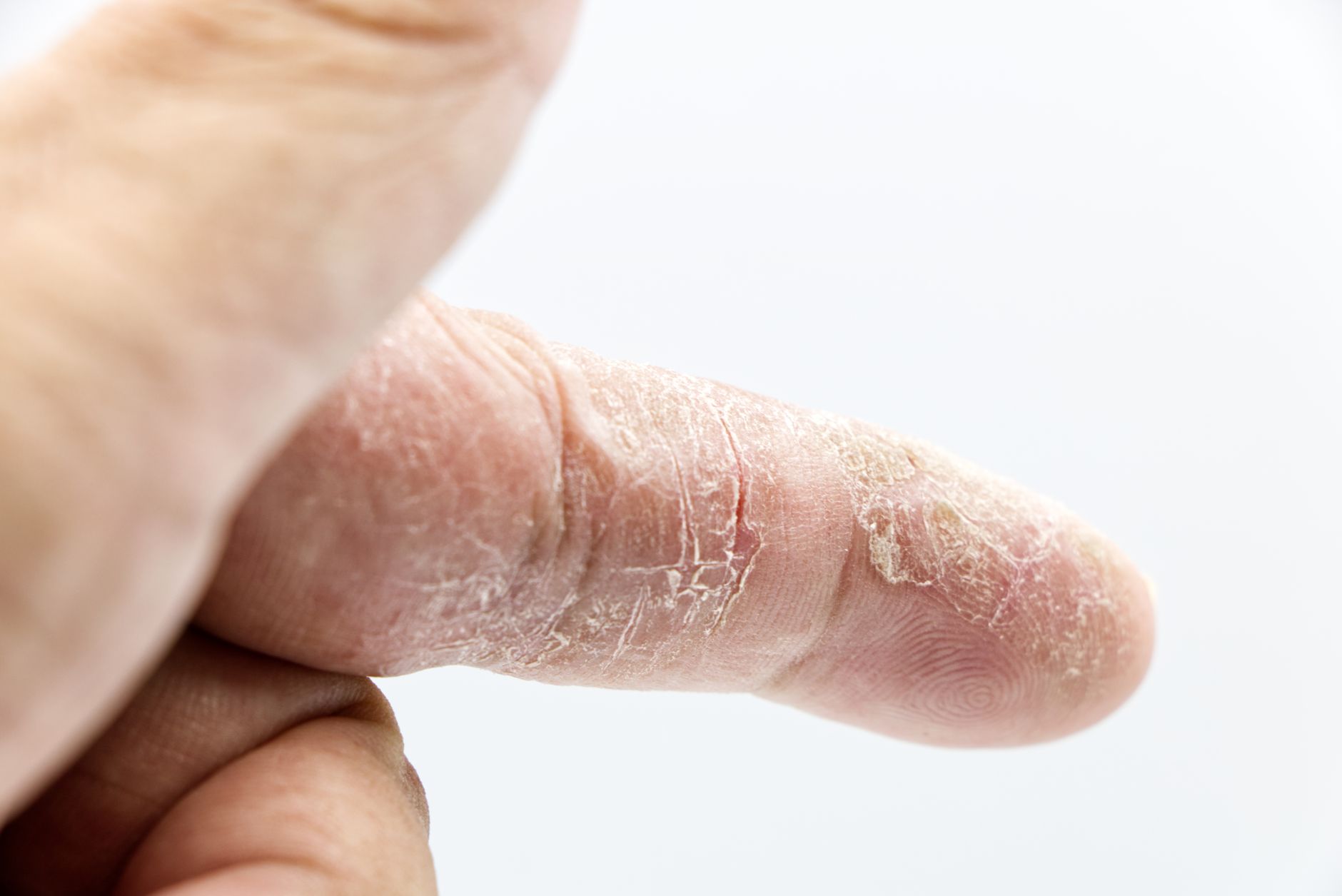
Dry skin occurs when your skin does not produce enough natural oils (sebum) to retain moisture and maintain a strong protective barrier. Primarily affecting dry and normal-to-dry skin types, this concern can manifest in various severity levels. Mild dry skin often feels tight after cleansing with occasional flaking, while moderate cases feature persistent flaking and a rough, uneven texture. In severe cases, the skin's barrier becomes highly compromised, leading to painful cracking, redness, irritation, and eczema-prone patches. Restoring lipid levels and flooding the skin with lasting hydration are essential to reviving a smooth, comfortable, and supple complexion.
Common Causes
- Environmental factors such as cold weather, harsh winter winds, and low indoor humidity from central heating.
- Over-washing or using harsh, stripping cleansers formulated with high amounts of sulfates.
- Taking long, hot showers or baths that melt away the skin's natural lipid barrier.
- Genetics and the natural aging process, which naturally decrease the skin's sebum production and hyaluronic acid levels over time.
- Using skincare products with high concentrations of denatured alcohol or aggressive chemical exfoliants.
Key Ingredients That Help
Ceramides
These essential lipids act as the mortar between your skin cells, rebuilding a compromised skin barrier to lock in moisture and block out environmental irritants.
Hyaluronic Acid
A powerful humectant that draws water into the skin, capable of holding up to 1,000 times its weight in water to instantly plump the skin and relieve tightness.
Squalane
A lightweight, non-comedogenic emollient that mimics the skin's natural oils to soften rough textures, soothe flaking, and seal in deep hydration.
Glycerin
An incredibly effective, gentle humectant that pulls moisture from the air into the deeper layers of the epidermis, providing long-lasting hydration without irritation.
Recommended Routine
| Step | Product Type | Why |
|---|---|---|
| 1. Cleanse | Cream or Balm Cleanser | Gently removes makeup and impurities without stripping away essential natural oils, leaving the skin feeling soft and nourished rather than tight and squeaky. |
| 2. Prep | Hydrating Milky Toner or Essence | Balances the skin's pH after cleansing and provides a comforting base layer of hydration to help subsequent serums absorb more effectively. |
| 3. Treat | Hydrating Serum | Delivers a concentrated dose of water-binding humectants (like hyaluronic acid or glycerin) deep into the skin to instantly plump and alleviate severe dehydration. |
| 4. Moisturize | Rich Ceramide Cream | Creates a thick, protective seal over the skin to prevent transepidermal water loss (TEWL) overnight and repair the lipid barrier. |
| 5. Protect | Moisturizing Sunscreen (SPF 30+) | Defends compromised skin from UV damage, which can further degrade the skin barrier, deplete moisture, and exacerbate dryness and irritation. |
Recommended Products


Mistakes to Avoid
- Using abrasive physical scrubs or strong chemical exfoliants that cause micro-tears and worsen flaking and redness.
- Applying moisturizer to completely dry skin; always apply your creams and serums to slightly damp skin to trap existing moisture.
- Ignoring the body; taking hot showers without applying a rich body lotion immediately afterward can lead to severe full-body dryness.
- Relying solely on oils; oils are emollients that seal in moisture, but they cannot replace the water your skin needs from humectants and water-based moisturizers.
When to See a Doctor
Consult a board-certified dermatologist if your dry skin progresses to severe cracking, bleeding, oozing, or if you suspect an underlying condition like eczema or psoriasis that does not respond to a consistent over-the-counter barrier repair routine.
Related Guides
- Sol de Janeiro Body Care & Fragrances | BeautyCare Bag
- Bobbi Brown Makeup & Skincare | BeautyCare Bag
- Shop Murad Skincare | Clinical Solutions at BeautyCare Bag
- Keratosis Pilaris Treatments & Body Care Routine
- Skin Brightening & Glow: Best Routine for Dull Skin
- Body Acne Treatments & Skincare Routine

