





























Photo: www.kaboompics.com / Pexels
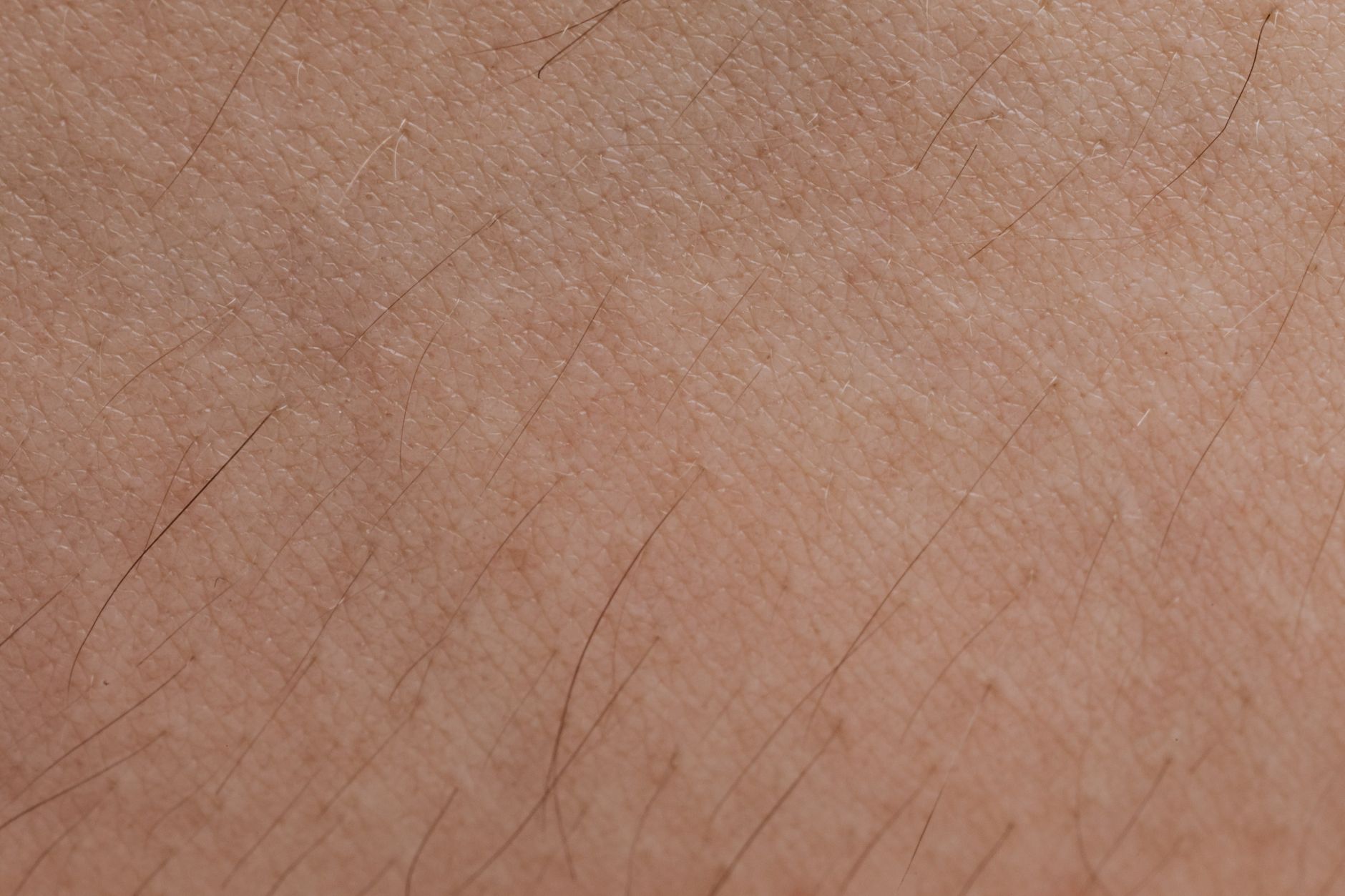
Rough skin texture on the face often presents as uneven, bumpy, or coarse-feeling skin. This common concern disrupts a smooth complexion and can make makeup application difficult. It is typically caused by a buildup of dead skin cells, dehydration, or environmental damage. Fortunately, with the right combination of gentle exfoliation, deep hydration, and targeted treatments from trusted brands, achieving a baby-smooth, radiant complexion is highly achievable.
Common Causes
- Buildup of dead skin cells due to a naturally slow cellular turnover rate.
- Chronic dehydration and lack of adequate moisture, causing the skin surface to feel dry and coarse.
- Sun damage (photoaging), which degrades collagen and elastin, leading to a leathery texture.
- Clogged pores, micro-comedones, and post-acne scarring.
- Environmental aggressors like pollution and harsh weather stripping the skin barrier.
Key Ingredients That Help
Alpha Hydroxy Acids (AHAs)
Glycolic and lactic acids dissolve the glue holding dead skin cells together, instantly smoothing the surface and promoting cell turnover.
Beta Hydroxy Acids (BHAs)
Salicylic acid penetrates deep into the pores to clear out excess sebum and debris, reducing the appearance of bumps and micro-comedones.
Retinol
Accelerates cellular renewal and stimulates collagen production, resulting in a firmer, smoother, and more refined skin texture over time.
Hyaluronic Acid
Draws moisture into the skin, plumping up fine lines and alleviating the dry, coarse feeling associated with dehydrated skin.
Ceramides
Repairs and reinforces the skin's natural lipid barrier, preventing moisture loss and keeping the skin surface soft and supple.
Recommended Routine
| Step | Product Type | Why |
|---|---|---|
| 1. Cleanse | Gentle Resurfacing Cleanser | Removes daily impurities without stripping the barrier, prepping the skin for active treatments. |
| 2. Exfoliate (2-3 times a week) | Chemical Exfoliant (AHA/BHA Liquid or Pad) | Sloughs away the dead skin cell buildup that directly causes a rough, bumpy feel. |
| 3. Treat | Retinol or Niacinamide Serum | Boosts cell turnover and refines pore size to create a permanently smoother canvas. |
| 4. Hydrate | Ceramide-Enriched Moisturizer | Locks in hydration and repairs the skin barrier to eliminate dry, coarse patches. |
| 5. Protect (Morning) | Broad-Spectrum SPF 30+ | Prevents UV-induced collagen degradation which can worsen leathery, uneven textures. |
Recommended Products
Mistakes to Avoid
- Over-exfoliating with harsh physical scrubs (like walnut shells) which create micro-tears and worsen texture.
- Skipping daily sunscreen, leaving skin vulnerable to texture-ruining UV damage.
- Layering too many active ingredients (e.g., mixing strong AHAs with high-strength retinol in the same routine), leading to barrier damage and peeling.
- Neglecting hydration, assuming only exfoliation is needed for smooth skin.
When to See a Doctor
Consult a board-certified dermatologist if your rough texture is accompanied by severe redness, itching, painful cystic acne, or if you suspect conditions like keratosis pilaris, eczema, or rosacea that aren't responding to over-the-counter skincare.

