



























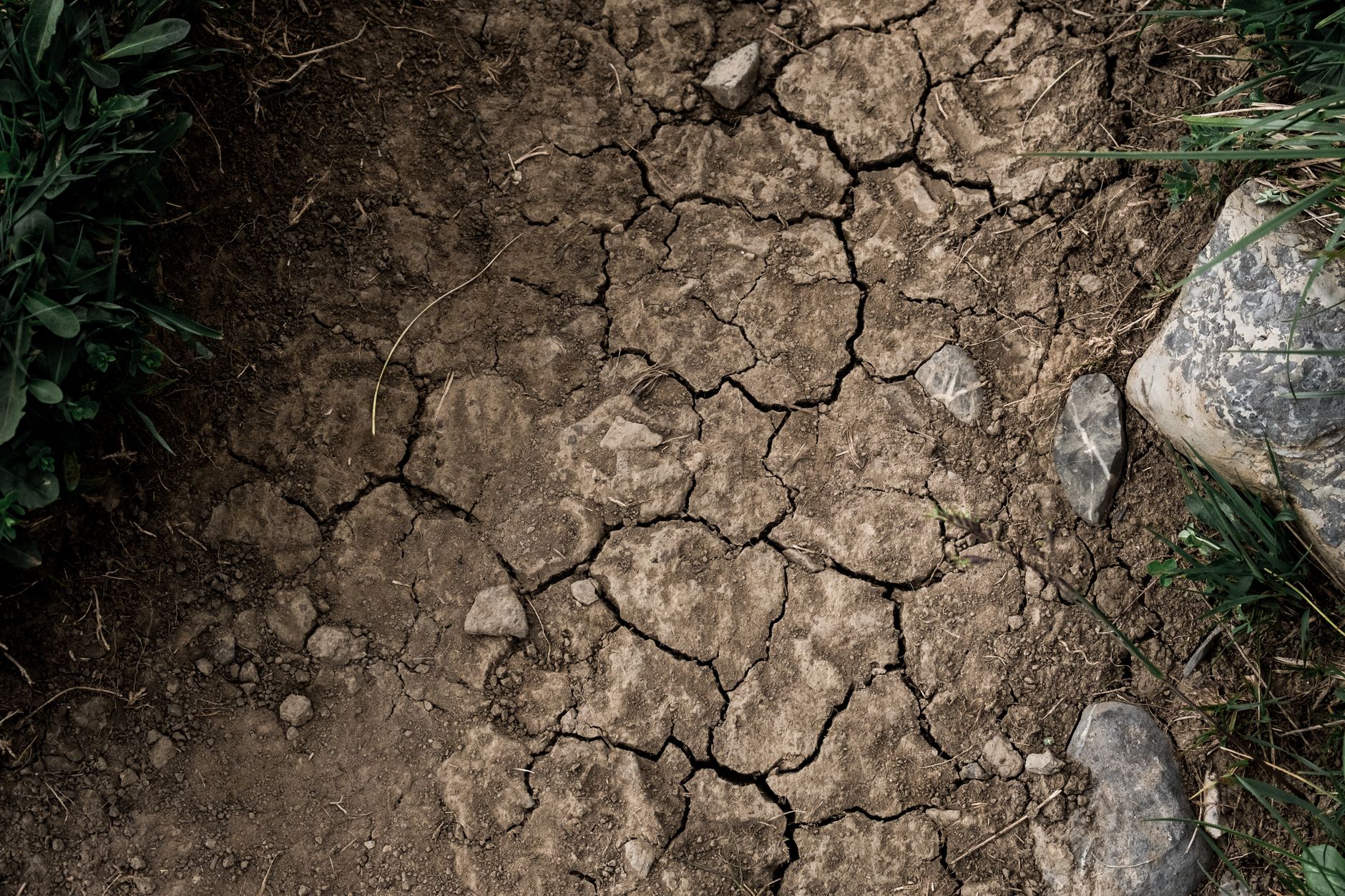
Photo: Henrik Pfitzenmaier / Pexels
The skin on your lips is exceptionally thin and lacks the oil glands found on the rest of your face, making it highly susceptible to moisture loss. Cracked and dry lips (cheilitis) can range from a mild, flaky annoyance to painful fissures that bleed. Environmental stressors like cold wind and UV rays, combined with daily habits, quickly deplete the lip's natural barrier. Restoring this delicate area requires a combination of gentle exfoliation, deep hydration, and protective occlusion to lock in moisture and promote healing.
Common Causes
- Environmental extremes such as cold, dry winter air, harsh winds, and excessive sun exposure (UV damage) that strip away natural moisture.
- Frequent lip licking, which deposits saliva containing digestive enzymes like amylase that break down the delicate skin barrier.
- Dehydration and insufficient daily water intake, directly impacting the hydration levels of the thin skin on the lips.
- Irritating ingredients in certain lipsticks, plumping glosses, or toothpastes (such as menthol, camphor, salicylic acid, or artificial fragrances).
- Vitamin deficiencies, particularly B vitamins, iron, or zinc, which are essential for cellular repair and skin health.
Key Ingredients That Help
Ceramides
Replenishes the lipid barrier to prevent transepidermal water loss and repair the structural integrity of the lips.
Hyaluronic Acid
Acts as a powerful humectant, drawing moisture from the environment into the deeper layers of the lip tissue for instant plumping and hydration.
Shea Butter
Provides rich, emollient nourishment packed with fatty acids and vitamins to soften rough, flaky patches and soothe inflammation.
Petrolatum
Forms a highly effective occlusive seal over the lips, trapping in moisture and protecting against harsh environmental elements while the skin heals.
Lanolin
A natural wax derived from sheep's wool that closely mimics human skin lipids, offering deep, long-lasting moisture and barrier repair.
Recommended Routine
| Step | Product Type | Why |
|---|---|---|
| 1. Gentle Exfoliation (1-2 times a week) | Sugar Lip Scrub | Removes dead, flaky skin cells without micro-tearing the delicate lip tissue, allowing hydrating ingredients to penetrate effectively. |
| 2. Hydration Layer | Hyaluronic Acid Lip Serum | Delivers an immediate dose of water-based hydration deep into the lips to plump and alleviate tight, uncomfortable sensations. |
| 3. Moisture Seal & Protection (Morning/Day) | SPF Nourishing Lip Balm | Locks in the hydrating serum with emollients while providing crucial broad-spectrum UV protection to prevent further drying and sun damage. |
| 4. Intensive Overnight Repair (Night) | Thick Lip Mask or Ointment | Utilizes heavy occlusives like petrolatum or lanolin to create a protective barrier, preventing overnight moisture loss and accelerating the healing process while you sleep. |
Recommended Products


Mistakes to Avoid
- Licking your lips to temporarily moisten them; as saliva evaporates, it pulls more moisture from the skin and leaves behind irritating enzymes.
- Picking or biting off flaky skin, which causes micro-tears, bleeding, and delays the healing process.
- Using lip balms formulated with cooling agents like menthol, camphor, or eucalyptus, which can cause contact dermatitis and worsen dryness.
- Applying matte liquid lipsticks over cracked lips without a hydrating primer, as these formulas are inherently drying and will cling to texture.
- Skipping SPF on your lips; the thin skin is highly vulnerable to sunburn, which severely exacerbates cracking and peeling.
When to See a Doctor
Consult a board-certified dermatologist if your cracked lips persist for more than two to three weeks despite consistent use of occlusive balms, if you experience deep, bleeding fissures at the corners of your mouth (angular cheilitis), or if you notice severe redness, swelling, or signs of an allergic reaction to your lip care products.

