





























13 min read
You've probably stood in a drugstore aisle, staring at three rows of hair growth products, each promising to be the one. The bottles blur together. The ingredient lists read like chemistry homework. And somewhere in the back of your mind, you're wondering if any of this actually works or if you're about to spend $40 on expensive hope.

Here's what the labels won't tell you: most Hair Loss Shampoo treatments fall into three categories. Supplements that feed the follicle from inside. Shampoos that change the scalp environment. And topical treatments that directly interact with the growth cycle. Miss one category, and you're fighting with one hand tied behind your back.
This isn't a list of miracle cures. It's a breakdown of what the research supports, what dermatologists actually recommend, and which products earn their price tag. Whether you're dealing with post-partum shedding, stress-related thinning, or the slow creep of androgenic alopecia, the right combination exists. You just need to know what to look for.

What Is Nourkrin Woman (And Why Does It Keep Showing Up In Hair Loss Conversations)?
Hair Health and Growth: Addressing Concerns from Alopecia to Bond Repair is a dietary supplement built around a single, oddly specific ingredient: Nourkrin Woman Marilex Biotin, a proprietary blend of hydrolyzed fish proteins and marine extracts. The logic is simple. Hair is made of protein. Specifically keratin. If your body isn't getting enough of the right amino acids to build that keratin, the hair growth cycle shortens. Follicles enter the resting (telogen) phase earlier than they should. Shedding increases. New growth stalls.
Marilex supplies those amino acids in a form the body can absorb quickly. The brand claims it normalizes the hair growth cycle, which is a careful way of saying it doesn't force new growth but removes the nutritional bottleneck that's preventing it. That's not minoxidil-level results, but it's also not minoxidil-level commitment. No foam. No scalp irritation. No indefinite dependency.
One box of Targeting Hair Concerns: Solutions for Growth and Scalp Health contains Nourkrin Woman 60 Tablets, enough for two months at the standard one-tablet-daily dose. At around $45-55 per box, you're looking at roughly $22-27 per month. Compare that to a dermatologist visit with a prescription for spironolactone, and the math shifts quickly. It's not a replacement for medical treatment, but for someone in the early stages of noticing more hair in the shower drain, it's a logical first step.
The Scalp Is Soil - Treat It Like One
Supplements handle the internal piece. But the scalp itself? That's a different problem entirely. If your follicles are buried under layers of dead skin, sebum, and product buildup, no supplement in the world can reach them. The root has to push through that barrier. When it can't, it gives up.
This is where scalp exfoliation enters the picture. Not your face scrub. Not your body wash. Something formulated for the unique pH and sensitivity of the scalp.
Glycolic Acid For Scalp: The Ingredient Dermatologists Keep Recommending
Glycolic acid is an alpha-hydroxy acid (AHA) with the smallest molecular size in its class. That small size matters. It means the acid can penetrate the outermost layer of skin more effectively than larger molecules like lactic acid or mandelic acid. On the scalp, that penetration breaks down the keratin bonds holding dead skin cells together. Buildup dissolves. The follicle opening clears.
The Ordinary's Glycolic Acid 7% Toning Solution has become an accidental cult favorite for scalp use, despite being marketed for the face. At roughly $10 for an 8-ounce bottle, it's one of the cheapest scalp treatments available. Users apply it to a dry scalp 10-15 minutes before showering, then wash it out. The 7% concentration is strong enough to exfoliate but low enough to avoid the irritation that higher percentages can cause. A separate study in the International Journal of Dermatology noted that regular AHA use improved follicular penetration of topical treatments by up to 40%, which means your expensive hair serums actually get where they're supposed to go.
This is not an everyday product. Once or twice a week is plenty. Over-exfoliation leads to a raw, irritated scalp that produces more oil to compensate, and suddenly you're back where you started.
The Shampoo Problem: What You're Using Might Be Working Against You
Most people pick shampoo based on scent, price, or whatever their favorite influencer mentioned last week. That's fine when hair is healthy. When it's thinning, the shampoo suddenly matters. A lot.
The wrong shampoo can leave residue that clogs follicles. It can strip natural oils so aggressively that the scalp overproduces sebum in panic. It can contain sulfates that irritate an already-sensitive scalp. The right shampoo creates an environment where follicles can function.
Head And Shoulders Clinical Strength: The Anti-Dandruff Shampoo That Does Double Duty
Head and Shoulders Clinical Strength contains 1% selenium sulfide, a concentration high enough to require the "clinical strength" label. Selenium sulfide does two things simultaneously: it reduces the Malassezia yeast population on the scalp, and it slows down the rate at which skin cells multiply and shed. That second mechanism is the one that matters for hair loss.
If your scalp has even mild, subclinical inflammation (the kind you can't see or feel but that shows up under a dermatoscope), follicles operate at a disadvantage. Inflammation narrows the follicular opening. It disrupts the growth cycle. It creates a low-grade hostile environment that, over months and years, leads to progressive thinning. Selenium sulfide calms that inflammation. It doesn't regrow hair directly, but it removes the inflammatory brake that's slowing growth down.
At roughly $9 for a 13.5-ounce bottle, it's one of the most accessible clinical-strength options on the shelf. Use it twice a week. Leave it on the scalp for 3-5 minutes before rinsing. That contact time is non-negotiable; selenium sulfide needs time to bind to the scalp surface and do its work.
Alopecia Shampoo: What The Term Actually Means
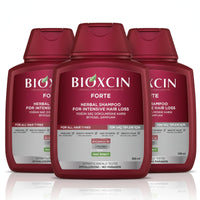
"Alopecia shampoo" is not a regulated term. Any brand can slap it on a label without proving anything. What you're really looking for is a shampoo that contains one or more of these ingredients: ketoconazole (an Anti Hair Loss Serumfungal with mild anti-androgen effects), caffeine (shown in some studies to penetrate follicles and stimulate them), or saw palmetto (a DHT blocker with mixed but promising evidence).
Ketoconazole 1% is available over the counter. The 2% version requires a prescription. Not identical. Not across the board. But comparable enough that dermatologists frequently recommend it as part of a multi-pronged approach.
Caffeine shampoos are less studied but have some mechanistic backing. A 2014 in-vitro study showed caffeine penetrating hair follicles and counteracting the suppressive effects of testosterone on keratinocyte growth. The catch: most caffeine shampoos don't disclose their caffeine concentration, and the contact time required for meaningful absorption is longer than most people spend lathering up.
Real talk: an alopecia shampoo alone won't fix significant hair loss. But paired with a supplement like Nourkrin and a scalp exfoliant, it becomes one leg of a three-legged stool. Remove any leg, and stability suffers.
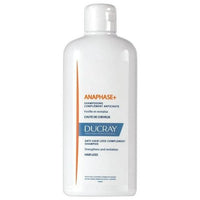
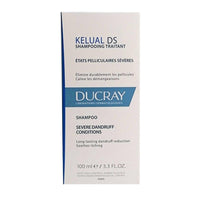
Browse our Hair Loss Shampoo collection
Recommended Products


Hair Repair From The Outside In: Bond Builders And Structural Treatments
Supplements support new growth. Scalp treatments clear the path for that growth. But what about the hair that's already on your head? The strands that are currently damaged, breaking, and making the whole situation look worse than it is?
Hair that's thinning often looks thinner than it actually is because the remaining strands are fragile. They snap mid-shaft. They split at the ends. They lose the structural integrity that gives hair its visual density. Stopping that breakage doesn't regrow hair, but it preserves what's there. And preservation, when you're losing, counts as progress.
Elseve Bond Repair: L'Oreal's Answer To The Bond-Building Trend
L'Oreal's Elseve Bond Repair line (sometimes labeled Elvive depending on the market) targets the disulfide bonds that hold hair's protein structure together. These bonds break from heat styling, chemical processing, UV exposure, and even just aggressive brushing. When enough bonds break, the hair strand weakens and snaps. The Elseve system uses citric acid, not as a pH adjuster but as a bond-repair agent, penetrating the hair shaft and reforming broken bonds from the inside out.
The full system includes a pre-shampoo treatment, shampoo, conditioner, and leave-in serum. The pre-shampoo step is the one that matters most; it's where the highest concentration of active ingredients sits on the hair for the longest time. At roughly $8-10 per bottle, the entire four-step system costs less than a single bottle of Olaplex No. 3. That's not a quality judgment. It's a market reality. L'Oreal has the R&D budget and manufacturing scale to price aggressively in a way smaller brands can't.
For someone dealing with thinning hair, the Elseve Bond Repair serum (the leave-in step) serves a specific purpose: it reduces friction between strands. Less friction means less mechanical breakage during brushing, during sleep, during the hundred micro-movements hair goes through daily. That reduction in breakage doesn't show up in hair count studies, but it shows up in the mirror. Fewer broken strands mean hair that looks fuller, even if the follicle count hasn't changed.
Perfectil Platinum: The Multivitamin That Straddles The Hair-Skin-Nail Line
Perfectil Platinum (sometimes labeled Perfectil Plus or Perfectil Max depending on the region) is a broad-spectrum multivitamin that covers more ground than Nourkrin. Where Nourkrin focuses almost exclusively on the hair growth cycle, Perfectil throws a wider net: biotin, selenium, zinc, vitamin D, iron, and a suite of B vitamins alongside its own proprietary blend.
This matters for a specific reason. Hair loss is sometimes a solo problem. More often, it's a symptom of a broader nutritional gap that also shows up in nails (ridging, peeling) and skin (dullness, slow healing). Perfectil targets all three because the keratin production pathway that builds hair also builds nails and skin. A deficiency that slows hair growth usually slows nail growth too. If your nails are also brittle or slow-growing, that's a clue that the problem is systemic, not localized to the scalp.
A 30-day supply runs roughly $15-25 depending on the retailer. The Platinum formulation includes a higher biotin dose than the standard Perfectil (typically 500mcg versus 300mcg) and adds coenzyme Q10, which plays a role in cellular energy production. Follicles are some of the most metabolically active cells in the body. They need energy to function. CoQ10 supports that energy production at the mitochondrial level.
The tradeoff: Perfectil is less targeted than Nourkrin. If your hair loss is specifically protein-related, Nourkrin's Marilex is the more direct intervention. If you suspect a broader nutritional gap or if your nails and skin are also showing signs, Perfectil covers more bases. The two aren't competitors so much as different tools for different jobs.

Building A Routine That Actually Works (Without Losing Your Mind Or Your Wallet)
Multiple products, multiple steps, multiple time commitments. It's easy to build a routine that looks perfect on paper and falls apart by day three because it's too much to sustain. The goal isn't the most comprehensive routine. It's the most consistent one.
A sustainable hair loss routine has three steps, max four. Anything beyond that, and adherence drops below 50% within two weeks. Here's what a realistic three-step system looks like:
- Morning: Supplement. One tablet with breakfast. Nourkrin Woman or Perfectil Platinum, not both. Pick based on whether your problem is primarily hair (Nourkrin) or hair plus nails and skin (Perfectil). Set the bottle next to your coffee maker. Visual cues beat reminders.
- Shower: Treatment shampoo. Twice a week, Head and Shoulders Clinical Strength or a ketoconazole shampoo. Leave it on for 3-5 minutes. Use a timer. Guessing at three minutes means you'll rinse after 90 seconds. On the other days, use whatever gentle shampoo you already have. The treatment shampoo is the workhorse; the daily shampoo is just the carrier.
- Weekly: Scalp exfoliation. Once a week, glycolic acid on a dry scalp before showering. Apply with a nozzle-tip bottle directly to the scalp, not a cotton pad. Cotton pads waste product and don't reach the scalp through hair. Massage it in with fingertips. Wait 10-15 minutes. Rinse. Follow with conditioner on the ends only, not the scalp.
That's it. Three steps. Under five minutes of active time per day. The consistency that matters isn't the 14-step routine you do once. It's the three-step routine you do 300 times a year.
If you want to add a fourth step, make it the Elseve Bond Repair leave-in on damp hair after showering. It adds 30 seconds and reduces breakage. But it's optional. The core three are not.
What About The Products That Didn't Make The List?
Rosemary oil has some promising preliminary studies but no standardized concentration or formulation. Minoxidil works but requires indefinite use and can cause initial shedding that freaks people out. Platelet-rich plasma (PRP) injections show results but cost $500-1,500 per session. Finasteride is effective for androgenic alopecia but is not FDA-approved for women and carries pregnancy risks that make most doctors hesitate to prescribe it to anyone of childbearing age.
This guide focuses on what's accessible, affordable, and supported by enough evidence to justify a spot in a real routine. The Turkish pharmacy model - products like Nourkrin, Perfectil, and various scalp treatments available without prescription at prices that don't require a second mortgage - fits that criteria. For a deeper look at how Turkish supplements compare to their US counterparts and why the price differences exist, our breakdown of Turkish supplement formulations and pricing walks through the specifics.
When To See A Dermatologist (And When To Try The Drugstore First)
Not all hair loss belongs in a dermatologist's office. But some does. The line between "try supplements first" and "get a professional opinion now" comes down to a few specific signs.
Sudden, patchy hair loss (the kind where you can see distinct bald spots the size of a quarter) is usually alopecia areata, an autoimmune condition that needs a dermatologist's diagnosis and possibly corticosteroid injections. Hair loss accompanied by scalp pain, burning, or visible redness suggests an inflammatory or infectious process that topical antifungals might not reach. Hair loss that starts within 3-6 months of starting or stopping a medication (including birth control) is likely drug-related and needs a medication review, not a supplement.
Gradual, diffuse thinning across the top of the scalp with no distinct patches? That's the pattern most likely to respond to the supplement-shampoo-exfoliant approach. It's also the most common pattern. According to the American Academy of Dermatology, female pattern hair loss affects roughly 30 million women in the United States. The majority of those cases are gradual, not sudden. Diffuse, not patchy. And responsive to multi-pronged treatment, not single-intervention.
If you've been losing hair for more than six months with no improvement, see a dermatologist. If you've noticed shedding for less than three months and it's diffuse rather than patchy, starting with a supplement and a treatment shampoo is reasonable. The key is not waiting until the loss is severe before acting. Early intervention, even with over-the-counter products, produces better results than late intervention with prescription drugs. That's not marketing. That's the biology of the hair follicle. Once a follicle fully scars over and becomes fibrotic, no treatment brings it back. The window for intervention is open now. It won't stay open forever.

Frequently Asked Questions
Does Nourkrin Woman actually work for hair loss?
Results vary by individual and depend on whether the underlying cause of hair loss is nutritional. Nourkrin supplies the amino acids needed for keratin production; if your hair loss stems from something else (hormonal, autoimmune), the effect may be less pronounced.
Can glycolic acid damage your scalp?
Yes, if overused. Once or twice a week at 7% concentration is the standard recommendation. More frequent application or higher concentrations can cause irritation, redness, and a compromised skin barrier that actually worsens scalp health. Always patch test behind one ear before applying to the full scalp.
How often should I use Head and Shoulders Clinical Strength for hair loss?
Twice weekly, with a 3-5 minute contact time before rinsing. The selenium sulfide needs time to bind to the scalp and reduce the yeast population and inflammation. Rinsing immediately negates most of the benefit.
Is Perfectil Platinum better than Nourkrin for hair growth?
Neither is universally better. Nourkrin targets the hair growth cycle specifically with its Marilex protein complex. Perfectil covers broader nutritional ground including biotin, zinc, and vitamin D. If hair is your only concern, Nourkrin is more targeted. If you also have nail or skin issues, Perfectil may address the root cause more comprehensively.
Does Elseve Bond Repair help with thinning hair?
It doesn't regrow hair, but it reduces breakage of existing strands. Less breakage means hair looks fuller and thicker, even if the follicle count hasn't changed. The leave-in serum reduces friction between strands, which prevents the mechanical damage that makes thinning hair look worse.
What causes hair loss in women most commonly?
Female pattern hair loss (androgenic alopecia) is the most common cause, affecting roughly 30 million women in the US according to the American Academy of Dermatology. Other common causes include telogen effluvium (stress-related shedding), nutritional deficiencies (particularly iron, vitamin D, and protein), and hormonal shifts from pregnancy, menopause, or birth control changes.
You May Also Like
Frequently Asked Questions
What supplements help with involutional alopecia?
Involutional alopecia is age-related hair thinning. Supplements that may help include biotin, collagen peptides, iron (if deficient), vitamin D, and saw palmetto. Always consult a doctor before starting any supplement regimen.
Do shampoos with vitamins really help with hair loss?
Yes, shampoos enriched with vitamins like biotin, niacin (vitamin B3), and panthenol can strengthen hair strands, improve scalp health, and reduce breakage. While they won't cure genetic hair loss, they can support a healthier environment for growth.
What is the latest in the androgenetic alopecia treatment pipeline?
The pipeline for androgenetic alopecia includes promising treatments such as topical antiandrogens (like clascoterone), JAK inhibitors, stem cell therapies, and exosome-based products. Many are in phase II or III clinical trials and could offer new options soon.

