



























8 min read
What is Madecassol Cream?
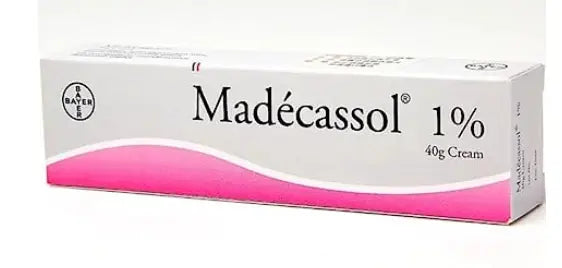
Madecassol cream is a topical healing ointment formulated with a 1 percent purified extract of Centella asiatica. It promotes tissue regeneration, repairs compromised skin barriers, and accelerates wound healing. A standard 40-gram tube contains 400 milligrams of this active botanical extract.
That clinical definition only tells half the story. The product functions as a heavy-duty skin rehabilitator. Unlike your daily lightweight gel moisturizer, this formulation has a thick, opaque consistency designed to create a protective seal over compromised tissue. The base acts as an occlusive shield while the active extracts work underneath to stimulate cellular repair.
Bayer originally developed the formulation, though production often happens through licensed regional pharmaceutical branches. This medical background means it undergoes strict quality control standards that cosmetic-grade skincare products rarely face. Every single tube must contain the exact stated concentration of active triterpenes.
The Science Behind the Magic: Centella Asiatica
Tiger grass earned its nickname through observation. Legends claim wounded tigers in Asia would roll in specific leafy green patches to heal their battle scars. Modern science eventually caught up with folklore to identify this plant as Centella asiatica.
The magic does not come from the whole leaf. True pharmaceutical efficacy relies on extracting specific active compounds called triterpenes. The formula contains a highly purified blend of these molecules, specifically asiaticoside, madecassic acid, and asiatic acid. This specific combination is clinically known as Titrated Extract of Centella Asiatica (TECA).
Researchers have spent decades studying how TECA interacts with human skin. They specifically target type I and type III collagen production, which are the exact structural proteins your body needs to close wounds and form healthy new skin.

7 Common Uses for Madecassol Cream
- Post-Acne Erythema (PIE): Those stubborn red marks left behind after a breakout finally flattens are vascular damage, not true pigmentation. Applying a tiny dab of the ointment twice daily helps constrict these capillaries and speed up tissue remodeling.
- Superficial Burns: Minor kitchen mishaps or curling iron accidents damage the epidermis. The thick base protects the delicate area from airborne bacteria while the TECA works to regenerate the burned skin cells.
- Post-Procedure Recovery: Dermatologists frequently perform controlled damage through microneedling, chemical peels, or laser treatments. Using a purified barrier cream afterward prevents trans-epidermal water loss during the crucial 48-hour healing window.
- Stretch Mark Prevention and Treatment: Rapid skin expansion during pregnancy or growth spurts tears the dermal layer. The collagen-stimulating properties of asiaticoside help the skin maintain elasticity and repair these micro-tears more efficiently.
- Extreme Winter Dryness: Windburn and freezing temperatures strip the skin of its natural lipid barrier. A thin layer applied over your regular moisturizer traps hydration and provides physical protection against harsh elements.
- Cuticle and Hand Repair: Constant hand washing destroys the skin microbiome and lipid layer. Massaging the thick paste into cracked cuticles before bed acts as an intensive overnight mask for damaged hands.
- Minor Cuts and Scrapes: Once a wound has closed and scabbed over, applying the cream prevents the scab from drying out and cracking, which minimizes the resulting scar tissue formation.
What Madecassol is NOT
This ointment is not a daily facial moisturizer for oily or acne-prone skin. The base contains heavy occlusives necessary for wound healing but potentially problematic for congestion-prone faces. It also does not treat active bacterial acne, and it is not a quick fix for hyperpigmentation (brown spots).
How Madecassol Compares to US Alternatives
| Feature | Madecassol Cream | Popular US Cica Balms | Standard Petroleum Jellies |
|---|---|---|---|
| Active Ingredient | 1% TECA (Purified extract) | Centella Water or Madecassoside | None (pure occlusive) |
| Texture | Thick, opaque paste | Medium-weight cream | Greasy, translucent gel |
| Primary Function | Cellular repair & healing | Soothing daily moisture | Moisture retention only |
| Typical Price Point | $12 - $18 (Imported) | $20 - $40+ | $5 - $10 |
The Famous "Turkish Pharmacy Mix"
Skincare enthusiasts in Turkey rarely use this ointment entirely on its own for cosmetic purposes. They have perfected a specific cocktail that maximizes barrier repair while minimizing the heavy, greasy texture of the individual components.
This legendary mixture combines three distinct pharmacy products. You take a pea-sized amount of Madecassol, an equal amount of Bepanthen Plus cream (which provides soothing Pro-Vitamin B5), and a few drops from a pure Vitamin E ampoule. Mixing these three elements creates a customized, powerhouse sleeping mask.
Step-by-Step: Incorporating It Into Your Routine
Cleanse your skin thoroughly. Apply hydrating toners and water-based serums first. Apply your standard daily moisturizer and let it absorb completely. Only after your skin feels dry to the touch should you reach for the healing ointment. Take an amount roughly the size of a grain of rice and target specific areas rather than treating the whole face.
Potential Side Effects and Precautions
The heavy base ingredients can be comedogenic for people with extremely oily skin. Always perform a patch test before applying any new pharmaceutical product to your face. For severe burns, deep wounds, or persistent skin conditions, always consult a doctor. The American Academy of Dermatology provides excellent guidelines on when a burn or wound requires professional medical intervention.
Frequently Asked Questions
Can I use Madecassol on my face every day? For targeted spot treatment on healing skin or post-acne marks, yes. For all-over daily use on oily or acne-prone skin, no - the heavy base can clog pores.
How long does it take to see results? For post-acne redness (PIE), noticeable improvement typically appears within 2-4 weeks of consistent twice-daily application. For scars and stretch marks, allow 8-12 weeks.
Is Madecassol the same as cica cream? It contains the same active plant extract (Centella asiatica), but at pharmaceutical concentration. Most cosmetic cica creams use diluted leaf water; Madecassol uses purified TECA extract.
Frequently Asked Questions
What is Madecassol cream used for?
Madecassol cream is used to promote wound healing, reduce scarring, and treat minor skin irritations. It contains Centella asiatica extract, which stimulates collagen production and soothes inflammation, making it effective for cuts, burns, acne scars, and post-procedure recovery.
How to use Madecassol cream for face?
To use Madecassol on your face, apply a thin layer to clean, dry skin once or twice daily. Gently massage until absorbed. It is best applied after cleansing and before moisturizer, focusing on scars, blemishes, or irritated areas. Avoid contact with eyes and open wounds.
What are the benefits of Madecassol cream?
The key benefits of Madecassol cream include accelerated healing of wounds and scars, reduced redness and inflammation, improved skin elasticity, and prevention of hypertrophic scars. It also provides hydration and helps repair the skin barrier, making it useful for acne marks and minor burns.

